Life on the Sunshine Coast rarely goes to a peaceful script. A child slips on damp tiles at Hastings Street, a traveler collapses from heat tension throughout a Noosa National Park walk, a co employee chokes on lunch in an office cooking area. In every one of those minutes, somebody close by ends up being the first responder, prepared or not.
That is where practical, efficient first aid training in Noosa makes its keep. The objective is not to turn you into a paramedic. It is to offer you the skills and confidence to hold the line until expert aid gets here, without swallowing your entire week in the process.
If you work in hospitality, tourism, education, construction, sport, or you simply have a family and a life near the water, a quickly, well structured Noosa emergency treatment course is not a great to have. It becomes part of being a safe, reliable adult in an area that leans greatly on casual personnel, outdoor activity, and busy public spaces.
Why emergency treatment matters more in a location like Noosa
Large cities have quicker action times, more bystanders with training, and emergency situation services around every corner. Noosa can feel a little different.
Traffic can be heavy in between the Junction and Hastings Street when it matters most. Some surf breaks and strolling tracks sit well away from fast access. Celebrations, markets, and school sports days draw big crowds but not always huge medical teams. If something fails, the very first few minutes fall heavily on whoever is closest.
I have seen the full variety locally. A surf trainer who calmly handled a believed spinal injury after a sandbank collision because he kept his CPR and emergency treatment certificate Noosa based and current. A coffee shop supervisor who had done a basic Noosa emergency treatment course but stressed when a kid had an anaphylactic response, because she had never ever practiced with a real fitness instructor and an actual adrenaline auto injector. Same residential area, really different outcomes.
The distinction normally boils down to deliberate practice and realistic scenarios, not simply ticking a box online and waiting for a PDF.
The primary types of emergency treatment and CPR courses in Noosa
Course names can seem like alphabet soup. From a worker's viewpoint, you can primarily believe in terms of three levels of training, with some add ons where needed.
1. Full first aid course in Noosa (frequently "Supply Emergency treatment")
This is the basic Noosa emergency treatment course most employers request for. It generally covers:
Practical CPR on adults and often on babies and children as well, utilizing manikins. How to handle typical injuries such as cuts, sprains, burns, eye injuries, bites and stings, and fractures. Recognition and support for cardiovascular disease, stroke, asthma, anaphylaxis, diabetic emergencies, seizures, and shock. Scene safety, calling triple zero, and what to do while you await paramedics.
Most emergency treatment courses Noosa large now use a blended format. You total theory readings or online modules in the house, then go to a face to face useful session that runs for numerous hours, often a complete day. That mix is what keeps it realistic without blowing up your schedule.
For numerous work environments, this is the "baseline" Noosa first aid training. If you do not know where to start, a HLTAID011 level "Provide First Aid" design course is normally the best pick.
2. CPR course Noosa (typically "Provide CPR" just)
A devoted CPR course Noosa workers select when they specifically need existing cardiopulmonary resuscitation skills without the full emergency treatment package.
CPR training Noosa sessions generally focus on:
Recognising cardiac arrest quickly. Hands on compressions at the best depth and speed. Rescue breaths where appropriate. Use of an AED (defibrillator) in real life conditions. Adjustments for kids and infants, if included.
Why do individuals do a CPR only course? Two primary factors. First, guidelines and guidelines usually recommend CPR updates every 12 months, which is why a CPR refresher course Noosa employers commonly set up yearly. Second, compressions are muscle memory. You lose that feel if you do not practise.
Many trainers in the area offer brief evening or half day cpr courses Noosa workers can fit in between shifts. For hospitality and tourism teams working odd hours, this versatility matters more than they admit.
3. Combined first aid and CPR courses Noosa
A first aid and cpr course Noosa based merely packages the two sets of skills into one program. In practice, that means you complete CPR and wider emergency treatment on the very same day, or in a mixed format with pre work plus a practical block.
When I talk with busy residents, a combined emergency treatment and cpr Noosa course often works best when you require:
Compliance for work, such as child care, disability support, education, neighborhood sport, or physical fitness. A single date to track in your journal, rather than handling separate CPR and first aid expiry tips. A broad foundation because you coach kids' sport, supervise school journeys, or help run events.
Look at the fine print before you book. Excellent emergency treatment and cpr courses Noosa wide will specify both the CPR and complete first aid units they cover, so you do not discover a space when HR or a licensing body checks your certificate.
Other specialised options
Depending on your role, you may also see:
Remote or wilderness emergency treatment for surf coaches, trekking guides, and outside teachers who operate further from town. Higher level first aid for work environment emergency treatment officers in larger organizations or schools. Short specific modules, such as asthma and anaphylaxis management for education and child care workers.
Not every Noosa first aid training service provider delivers these innovative options in your area all year round. If you require something specialised, plan ahead and ask about upcoming dates or close-by Sunlight Coast sessions.
How to choose the right emergency treatment course Noosa uses for your situation
Good training should match your threat profile, your responsibilities, and your time pressure. Too light and you are under done. Too theoretical and you waste a day without acquiring usable skill.
A few examples make the option clearer.
A coffee shop owner on Gympie Balcony typically requires a full emergency treatment course in Noosa that includes CPR. Food service sites handle knives, burns, slips, choking threats, allergic reactions, and customer medical events. Preferably, a minimum of a single person per shift has current emergency treatment and cpr Noosa level skills, not just a dusty certificate from years ago.
A tradesperson who mostly works on local domestic sites may still face falls, electrical events, and heat tension. A complete Noosa first aid course plus yearly CPR is practical, and in some cases required by particular specialists or website managers.
A yoga trainer running little classes may technically only require CPR, depending upon their insurance coverage and place. Yet classes frequently draw older clients or those recuperating from injury. In practice, I advise a combined Noosa first aid and cpr course so you are not guessing when someone faint or hurts a joint.
Parents, carers, and grandparents frequently begin with the same combined course however pay unique attention to child associated modules. Some trainers will gladly tilt situations toward kids' injuries, choking, and fevers if they know half the group is there for family reasons.
If your job has official licensing or accreditation, examine the precise unit codes and expiry expectations before you book. A fast telephone call or e-mail prevents the disappointment of enduring a course that does not fulfill your organisation's rules.
Quick photo: which Noosa first aid course do you need?
Here is an easy guide that matches typical Noosa functions to typical training choices.
- Hospitality, retail, tourism frontline: full Noosa first aid course with CPR, plus yearly CPR refresher course Noosa based Childcare, schools, sport coaches: emergency treatment and cpr courses Noosa that plainly include child particular components, with very close attention to allergic reaction and asthma content Construction, trades, outdoor labour: full first aid training in Noosa, prioritising fitness instructors who cover ecological exposure, crush injuries, and serious bleeding Fitness, yoga, pilates, personal fitness instructors: at minimum a cpr course Noosa based, however preferably complete first aid and cpr Noosa abilities to support clients with pre existing conditions General neighborhood members and parents: whichever emergency treatment course Noosa provides that integrates CPR and broad first aid in a single day, with trainers ready to discuss home and family scenarios
Treat this as a beginning point, not a stiff guideline. When in doubt, ask the company to talk through your real workday or family situation and suggest the ideal level.
What "get accredited quick" need to and ought to not mean
Many locals ask for the "quickest Noosa emergency treatment course available". Speed is sensible. Corner cutting is not.
There is a difference between smart efficiency and a tick and flick session that hardly teaches you to open a bandage.
A good, efficient Noosa first aid training company will generally:
Combine pre course theory that you complete online or in print with a practical session that concentrates on doing, not simply talking. Limit group sizes so everybody gets time on CPR manikins and can ask questions. Use regional examples-- surf injuries, heat health problem on strolls, bites and stings common in this region-- instead of generic case research studies copied from elsewhere. Stay existing with Australian Resuscitation Council standards and pertinent national systems of competency.
Fast certification should feel like this. You complete clear pre work, arrive prepared, train intensively for a defined block, and go out feeling exhausted but skilled. If you end up a "quick" emergency treatment course Noosa based and feel more baffled than when you started, the speed has actually come at the wrong cost.
On the other hand, prevent anything that guarantees you can get a legitimate first aid certificate Noosa broad with "no useful presence at all". Purely online emergency treatment might be exceptional for theory, but it does not check your ability to push on a chest to the appropriate depth or place an unconscious individual in the recovery position. When a genuine individual's breathing stops, theory alone is not enough.
What to look for in a Noosa emergency treatment training provider
Whether it is a big national brand running a Noosa campus, or an expert such as Emergency treatment Pro Noosa, the clues of a quality company are similar.
Look for an organisation that is registered to provide nationally acknowledged training and notes the specific course codes they provide. Expert fitness instructors with scientific or emergency situation backgrounds, such as paramedicine, nursing, or frontline rescue. Places in Noosa that are reasonably accessible for you, with decent parking or public transportation alternatives, and cooling for longer days. Clearly described course formats, such as combined knowing with online theory plus face to face practice, or complete face to face shipment, so you understand how much time to enable. Transparent prices, without any surprise "certificate problem" costs after you have actually currently paid and attended.
When I walk into a Noosa emergency treatment training space, I also focus on devices. Tidy CPR manikins in adequate numbers so individuals train in sets or trios, not in https://andersonzvyq299.iamarrows.com/workplace-first-aid-training-in-noosa-meeting-legal-and-security-requirements a long line. Noticeable AED trainers, plasters, EpiPen fitness instructors, and inhaler spacers. If the room looks like it has actually not been touched since last decade, the teaching may feel the same.
Making an emergency treatment course fit around genuine Noosa life
Most individuals do not have the high-end of a peaceful 9 to 5 week and a spare day simply sitting there waiting for a Noosa emergency treatment course. Schedules here have a pattern. Hospitality lineups shift with tourist seasons. Building frequently begins in the beginning light to beat the heat. Parents juggle school pick up, traffic around the Junction, and kids' sport training.
With that in mind, a practical approach to emergency treatment training in Noosa tends to include:
Choosing combined learning where possible. Doing the online theory after the kids have gone to sleep or before an early shift, then securing a half day or single complete day for the hands on element. Scheduling well ahead of peak visitor seasons if you are in tourist or hospitality. Late fall and winter can be simpler for some places than school holidays or celebration periods. Asking your employer about group reservations. A coffee shop strip, school, or small building and construction firm can frequently get a fitness instructor to come on website, which saves everybody travel time and can work around your busiest service durations. Dealing with CPR refresher as a yearly non negotiable, like automobile registration or a dental check. A short cpr courses Noosa based session each year keeps you sharp without being a significant burden.
If you treat emergency treatment like a one off task, you will constantly feel bitter the time. If you treat it like part of your work and family safety routine, it ends up being much easier to arrange and justify.
What a good first aid session in Noosa in fact feels like
People typically expect emergency treatment training to feel like sitting through a long school lecture. The better Noosa emergency treatment courses feel more like an active workshop.
You spend less time copying notes and more time rolling classmates into the recovery position, practising DRSABCD, and talking through "what would you do if this taken place in your coffee shop, classroom, or home".
In a common combined first aid and cpr course Noosa design session, the environment is normally relaxed but focused. Fitness instructors split the periodic regional joke about the river mouth or the school run, however they shift tone quickly when mimicing heart attack or severe bleeding. That contrast matters. It keeps you engaged without numbing you to the severity of real emergencies.
By the afternoon, individuals tend to look physically tired from the repeated CPR cycles, but the confidence and clearness are visibly higher. The best compliment I hear later on is not "that was enjoyable", however "I hope I never require it, but I actually feel like I could do something now".
How often you really require to refresh your very first aid
Regulators and companies frequently specify precise timeframes, but a practical general rule in Australia is:
First aid certificate Noosa based: typically restored every 3 years, or more frequently if your employer or market demands it. CPR Noosa: updated every 12 months to stay sharp and satisfy most policies.
Human abilities decay with absence of usage. Within a year, many people forget the precise compression rate, the ratio of compressions to breaths, or how to put the pads on an AED. By year 3, without practice, even the fundamentals of the healing position or bleeding control get fuzzy.
From experience, the 2nd or third time you do a Noosa first aid course, the material lands deeper and much faster. You currently understand the language. You can focus on refining technique and dealing with more complex situations rather than trying to memorise every acronym from scratch.
If you are nervous about walking back into a class since it has actually been "too long", do it anyhow. Trainers are utilized to individuals returning after years and will meet you where you are.
An easy pre course checklist for Noosa emergency treatment students
A little preparation before your course makes the day smoother and lets you focus on learning, not logistics.
- Complete any online or reading pre work, so you are not packing in the cars and truck park Wear comfy, modest clothing that enables you to kneel on the flooring and move freely Bring water, a light snack, and any individual medications you might require throughout the session Plan your transportation and parking around Noosa traffic and school hours, so you are not late or rushed Let the trainer know beforehand if you have knee, back, or movement problems that affect CPR practice, so they can adjust safely
Good providers are utilized to adapting positions and methods for people with physical constraints. Being in advance on the day assists them assist you.
Why local context in first aid training matters
A nationwide course code guarantees standard material, however local context turns information into something you can really use in your life in Noosa.
When a trainer comprehends the area, examples shift from abstract shopping malls and city streets to situations you recognise right away: heat health problem at the Noosa Tri, jellyfish or stingray injuries in the river or browse, asthma flaring throughout a dry windy weekend, grandparents becoming weak at the Eumundi markets, mountain bike crashes on hinterland trails.

That familiarity helps you image scenes clearly, which improves recall later. When something similar happens, your brain already has a mental "wedding rehearsal" to lean on.
Providers that have worked in or around Noosa for a long time or run a dedicated operation such as first aid pro Noosa design services, usually bring that extra nuance. It is not strictly required, however in practice it makes a difference.
Turning a certificate into a practice of readiness
A printed or digital emergency treatment certificate has genuine value. It satisfies employers, insurers, and regulators. It opens certain tasks in childcare, education, sport, and tourist. It signals to others that you have at least a basic level of competence.
But the paper is just a starting point.

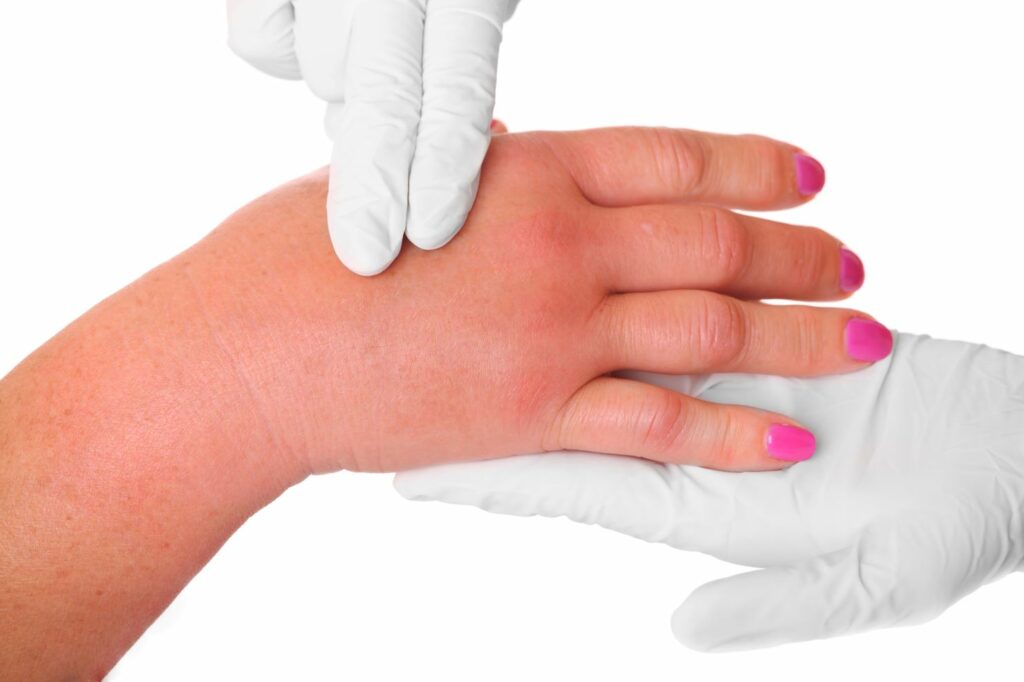
Once you have finished first aid training in Noosa, attempt to follow through in three basic ways.
Talk about it in your home and at work. Make certain people know who has present emergency treatment abilities, where the packages are kept, and what the plan is if something happens. Examine and equip your own first aid packages, both in your home and in cars. Training assists you see what you are missing and why it matters. Focus on occurrences you find out about locally, from surf club callouts to school newsletter notifications. Every one is an invitation to mentally rehearse what you would do, so your training does not sit idle in the back of your mind.
First aid appears like a technical subject on a course pamphlet. In practice, it is a neighborhood practice. When more individuals in Noosa hold present, practical emergency treatment and cpr Noosa level skills, everyone advantages, from travelers on the boardwalk to tradies on a hot roof.
If you have actually been putting it off due to the fact that of time, expense, or nerves, search for a well regarded, efficient Noosa emergency treatment training company that provides combined knowing and realistic practice. Block out a single date, treat it as part of your responsibility to individuals around you, and offer yourself the quiet confidence of understanding that if something severe takes place nearby, you will not be standing there wishing you had actually done something about it earlier.
Nationally Recognised First Aid Courses Noosa Locals Trust! First Aid Pro is one of Noosa’s leading providers of accredited CPR and first aid courses. Established in 2010, our nationally registered training organisation (RTO) has equipped over 3 million Australians with essential life-saving skills through our experienced team of 110+ expert trainers. Conveniently servicing Noosa and the Sunshine Coast region, we provide top-quality, nationally accredited CPR and first aid training sessions tailored to your needs, whether for workplace requirements, career advancement, or personal safety. From childcare-specific first aid training to advanced first aid and resuscitation courses, we’ve got you covered. First Aid Pro – First Aid Course Noosa Noosa Conference Centre 73 Hilton Terrace Noosaville QLD 4566 Australia Phone: (08) 7120 2570 Secure your Noosa first aid course or CPR training with us and build the confidence to handle emergencies with a trusted Noosa first aid provider. Take the first step towards becoming a skilled and capable first aider with First Aid Pro Noosa today.
Location & Venue Details Our First Aid Pro Noosa courses are held at Noosa Conference Centre, 73 Hilton Terrace, Noosaville QLD 4566, conveniently located in the heart of Noosaville. This modern and well-equipped venue provides a professional and comfortable training environment ideal for first aid, CPR, and childcare first aid courses. It’s the perfect location for participants travelling from Noosaville, Noosa Heads, Tewantin, Sunrise Beach, and surrounding Sunshine Coast suburbs. Situated close to the Noosa River, the venue is near popular local landmarks including Noosa Marina, Noosa Civic Shopping Centre, Noosa National Park, and Hastings Street. The surrounding area offers a variety of cafés, restaurants, and takeaway outlets—perfect for enjoying lunch or coffee before or after your course. With easy access to Noosa Main Beach and nearby riverside parks, it’s also a great place to relax before or after your training. Training is conducted in spacious, air-conditioned rooms within Noosa Conference Centre, equipped with high-quality first aid and CPR training equipment and comfortable seating. The venue provides convenient onsite parking and nearby street parking for participants attending the course. The site is fully accessible, offering step-free entry and accessible restroom facilities, ensuring a smooth and inclusive training experience for all learners.